Dating an Avoidant: Why It Destroys Your Self-Worth (And What to Do Instead)

If you’ve ever found yourself obsessing over mixed signals, replaying conversations, or shrinking your needs just to “keep the peace,” you may have been dating someone with an avoidant attachment style.
And over time? It can quietly erode your self-worth.
Let’s talk about why—and how to choose differently.
What Is Avoidant Attachment?
Avoidant attachment (often referred to as dismissive-avoidant or fearful-avoidant in psychology) is a relational pattern where someone struggles with emotional intimacy, vulnerability, and consistent closeness.
They may:
Pull away when things get deeper
Struggle to express feelings
Need excessive space
Avoid hard conversations
Downplay your emotional needs
Become inconsistent when intimacy increases
At first, they can seem independent, calm, mysterious—even grounded.
But over time, the pattern becomes clear.
How Dating an Avoidant Slowly Erodes Your Self-Worth
1. Relational Ambiguity Keeps Your Nervous System Activated
Avoidants often create emotional inconsistency. One week they’re warm and affectionate. The next week they’re distant and unreachable.
This unpredictability activates your attachment system—especially if you lean anxious or secure-with-needs. You start scanning for cues:
“Did I say too much?”
“Why hasn’t he texted?”
“Is he losing interest?”
“Should I back off?”
Chronic ambiguity = chronic stress. Your nervous system does not thrive in confusion. It thrives in safety. And ambiguity keeps you in hypervigilance.
2. You Start Minimizing Your Needs
Over time, you learn:
Don’t ask for reassurance.
Don’t bring up the future.
Don’t talk about feelings “too much.”
Don’t push for clarity.
You become “cool.” You become “low maintenance.” You become smaller.
And when your needs aren’t met, you don’t think:
“This person can’t meet me.”
You think:
“Maybe I’m too much.”
That’s the erosion.
3. Inconsistent Reinforcement Is Addictive
Avoidants often give love in intermittent doses.
Just enough warmth to keep you hooked. Just enough distance to keep you chasing.
Psychologically, intermittent reinforcement is one of the strongest bonding mechanisms there is. It wires your brain to work harder for crumbs.
You begin confusing anxiety for chemistry. You call the stress “passion.”
Meanwhile, your appetite drops. Your sleep worsens. Your cortisol rises. You feel the strain in your body and face. Love should not feel like survival mode.
4. You Internalize Their Emotional Unavailability
When someone repeatedly:
Avoids depth
Evades accountability
Withdraws during conflict
Refuses clarity
You begin to believe that this is what love requires.
You tolerate less. You expect less. You accept emotional scarcity as normal.
And slowly, your self-trust deteriorates.
The Cost of Staying
Over time, dating an emotionally unavailable partner can lead to:
Lowered self-esteem
Increased anxiety
Hyper-fixation on the relationship
Loss of appetite or disrupted sleep
Emotional volatility
Isolation from your own goals
You start organizing your life around their availability.
That’s not partnership. That’s adaptation.
Choose Emotional Availability Instead
An emotionally available partner:
Communicates clearly
Repairs after conflict
Makes you feel chosen
Can tolerate vulnerability
Doesn’t disappear when things deepen
Aligns words with actions
They are steady.
Not perfect. Not dramatic. Not intoxicating.
Steady.
And if steady feels “boring,” that’s something to explore—not override. Secure love feels different from chaos.
It feels calm. It feels safe. It feels mutual. Choose someone who can meet you where you are—not someone you have to convince.
How to Put Yourself First When Dating
If you’ve been stuck in avoidant dynamics, here’s how you begin shifting:
1. Watch Patterns, Not Promises
Avoidants can say beautiful things.
But are they:
Consistent?
Following through?
Clear about intentions?
Behavior > potential.
2. Stop Over-Functioning
Don’t:
Initiate every hard conversation.
Carry all the emotional labor.
Regulate the relationship alone.
Mutual effort is the baseline—not the bonus.
3. Get Comfortable Walking Away
If someone cannot meet your needs, your power is in leaving—not convincing.
Clarity is kindness. Even when it hurts.
You only get one life. Do not spend it begging for basic reciprocity.
What If You’re the Avoidant?
If you recognize yourself in this, this is not a character assassination. Avoidance is protective. It developed for a reason. But protection can become isolation.
If you’re avoidant:
1. Stop Romanticizing Independence
Hyper-independence is often unprocessed fear. Intimacy requires tolerance for discomfort—not escape.
2. Practice Naming Feelings
Instead of withdrawing, try:
“I feel overwhelmed.”
“I need space, but I care about this.”
“This is bringing up something for me.”
Vulnerability builds trust. Silence destroys it.
3. Seek Therapy or Attachment Work
Attachment patterns are not personality—they’re adaptive strategies.
They can shift with:
Self-awareness
Somatic work
Therapy
Honest accountability
If you want secure love, you must become safe to love.
The Bottom Line
Dating an avoidant long-term often leads to self-abandonment. And no relationship is worth that.
You deserve:
Emotional clarity
Mutual effort
Repair after rupture
Someone who can stay when things deepen
Choose the person who chooses you consistently.
And if you’ve been chasing emotionally unavailable people, it’s not because you’re weak—it’s because your nervous system mistook unpredictability for chemistry.
You can unlearn that. Secure love exists. You don’t have to earn it.
Ready to Break the Cycle and Choose Better?
If this dynamic feels familiar, you don’t have to untangle it alone. In my coaching practice, we don’t just analyze attachment styles—we rebuild your self-trust, strengthen your standards, and recalibrate your nervous system so you stop chasing emotional unavailability and start choosing alignment. Whether you’re healing from an avoidant relationship or recognizing avoidant tendencies in yourself, we do the work that creates secure, steady love—not chaos. If you’re ready to stop shrinking in relationships and start showing up grounded, clear, and confident, book a session with me. Your future relationships will reflect the standards you set today.
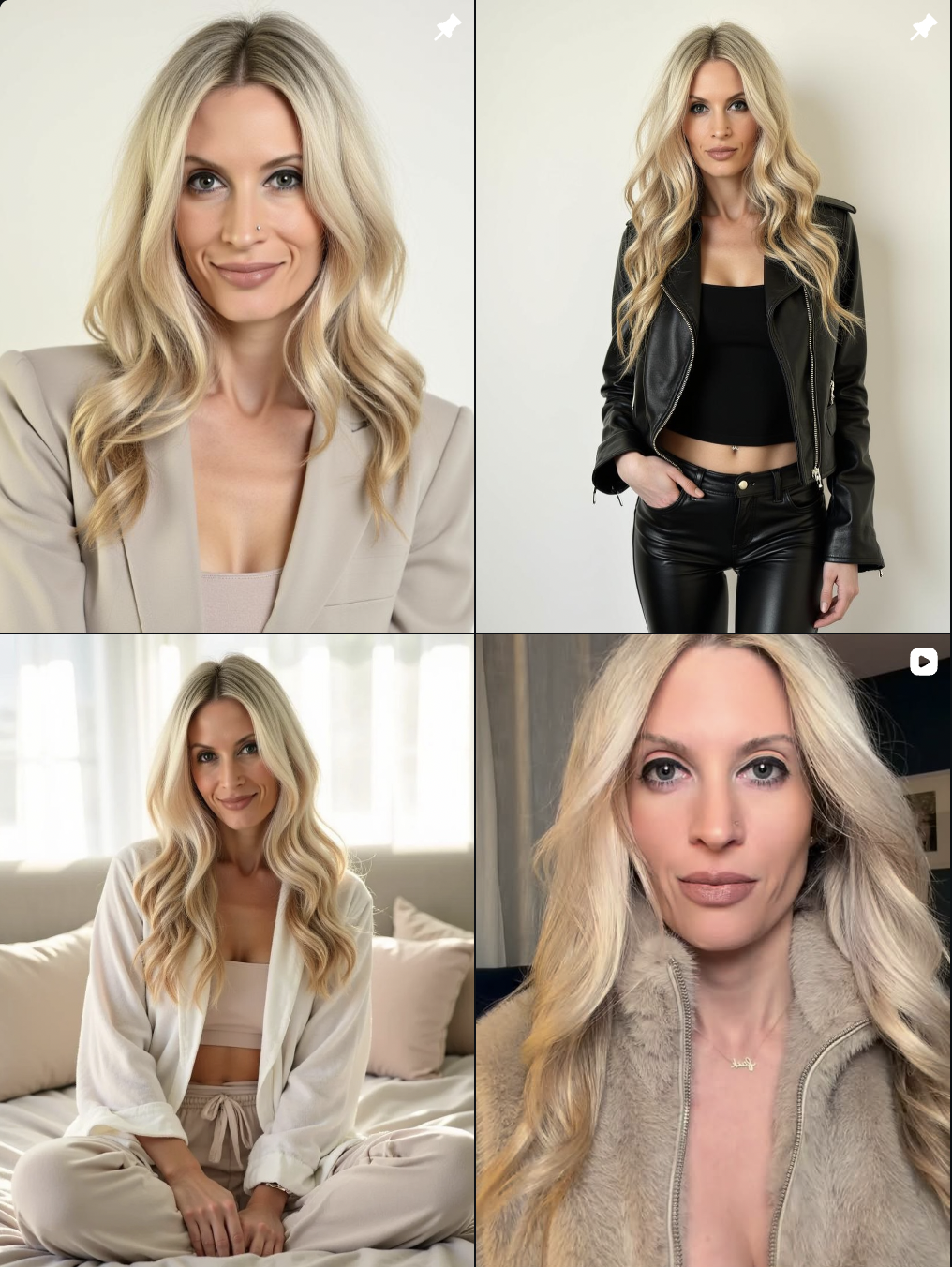
I’m Gretchen Kamp, a Certified Life Coach specializing in Mindset, Alcohol Freedom, and High-Performance Habits. Today, I live confidently alcohol-free and fully aligned with my values. I genuinely love who I am and the life I’m building—and I help ambitious people create that same clarity, confidence, and freedom in their own lives.
Ready to explore what’s next for you?
→ Book your first session for $25